Patient Education & Blog

Expert articles to help you make informed decisions about your dental health

Home/Blog
Root Canal Treatment

What Is a Root Canal?

A root canal treatment (also known as endodontic therapy) is a dental procedure designed to save a badly infected or damaged tooth. The procedure involves removing the infected pulp tissue from inside the tooth, cleaning and disinfecting the root canals, and sealing them to prevent future infection. Contrary to popular belief, a root canal is not a painful procedure — it actually relieves the pain caused by the infection.

When Do You Need a Root Canal?

You may need a root canal treatment if you experience any of the following symptoms:

  • Severe, persistent toothache, especially when chewing or applying pressure
  • Prolonged sensitivity to hot or cold temperatures
  • Darkening or discoloration of the tooth
  • Swelling and tenderness in the surrounding gums
  • A persistent or recurring pimple on the gums (dental abscess)

💡 Did you know? At Kanpur Dental Care, we use advanced rotary endodontic instruments and modern anesthesia techniques that make root canal treatment virtually painless. Many patients tell us they felt less discomfort during the procedure than during a simple filling!

The Modern Root Canal Procedure

Modern root canal treatment at our clinic follows a precise, patient-friendly protocol. After administering effective local anesthesia, Dr. Singh uses a dental microscope or magnification to visualize the intricate root canal system. The infected pulp is carefully removed using advanced rotary instruments, which are faster and more precise than traditional hand files. The canals are then thoroughly cleaned, disinfected with antimicrobial solutions, and sealed with biocompatible materials.

Recovery and Aftercare

Most patients can return to their normal activities the same day. Mild tenderness for a few days is normal and can be managed with over-the-counter pain relievers. A crown is typically recommended after a root canal to protect the treated tooth and restore its full function. With proper care, a root canal-treated tooth can last a lifetime.

Concerned about a toothache? Don't delay — early treatment leads to better outcomes. Book a consultation with Dr. Singh today.
Dental Implants vs Bridges

The Dilemma of Missing Teeth

Losing a tooth — whether due to decay, injury, or gum disease — creates both functional and aesthetic challenges. Two of the most popular solutions for replacing missing teeth are dental implants and dental bridges. Understanding the key differences between these options can help you make an informed decision with your dentist.

Dental Implants: The Premium Choice

A dental implant is a titanium post surgically placed into the jawbone, serving as an artificial tooth root. Once healed and integrated with the bone (a process called osseointegration), a custom crown is placed on top. Implants are widely considered the gold standard for tooth replacement because they:

  • Look, feel, and function exactly like natural teeth
  • Can last a lifetime with proper care
  • Preserve jawbone health by preventing bone resorption
  • Don't require altering adjacent healthy teeth
  • Have a success rate exceeding 95%

Dental Bridges: The Traditional Approach

A dental bridge literally "bridges" the gap created by a missing tooth. It consists of one or more artificial teeth (pontics) anchored between two crowns placed on the adjacent natural teeth. Bridges are a reliable, time-tested solution that:

  • Can be completed in 2-3 visits (faster than implants)
  • Don't require surgery
  • Are typically more affordable upfront
  • Work well when adjacent teeth already need crowns

💡 Dr. Singh's Recommendation: "While both are excellent solutions, I generally recommend implants for patients with good bone density who are looking for a permanent, long-term solution. Bridges remain an excellent choice for patients who prefer a non-surgical option or have specific anatomical considerations."

Making Your Decision

The best choice depends on several factors: your overall health, jawbone density, budget, adjacent teeth condition, and personal preference. During your consultation at Kanpur Dental Care, Dr. Singh will thoroughly evaluate your case, explain all options with visual aids, and help you choose the solution that best fits your needs and lifestyle.

Missing a tooth? Schedule a consultation to explore your personalized replacement options.

Zirconia Crowns

What Are Zirconia Crowns?

Zirconia crowns are dental restorations made from zirconium dioxide — an incredibly strong, biocompatible ceramic material. Unlike traditional metal or porcelain-fused-to-metal (PFM) crowns, zirconia crowns combine exceptional strength with natural aesthetics, making them arguably the best material available for dental crowns today.

Why Zirconia Is Superior

Zirconia crowns have rapidly become the gold standard in dental restorations for several compelling reasons:

  • Natural Appearance: Zirconia has translucency similar to natural teeth, blending seamlessly with your smile
  • Exceptional Strength: Zirconia is up to 5 times stronger than porcelain, making it highly resistant to chipping and cracking
  • Biocompatibility: No risk of allergic reactions — perfect for patients with metal sensitivities
  • No Dark Line: Unlike metal crowns, zirconia doesn't create a dark line at the gum margin
  • Longevity: With proper care, zirconia crowns can last 15-20+ years
  • Minimal Tooth Reduction: Less tooth structure needs to be removed compared to traditional crowns

💡 Expert Insight: At Kanpur Dental Care, we use premium-grade monolithic and layered zirconia restorations that are digitally designed for precision fit. Dr. Singh personally ensures each crown matches your natural teeth in color, shape, and translucency.

The Crown Placement Process

Getting a zirconia crown typically requires two visits. During the first visit, Dr. Singh prepares the tooth, takes precise impressions, and places a temporary crown. The zirconia crown is then custom-fabricated in a specialized dental lab. On the second visit, the permanent crown is carefully fitted, adjusted, and cemented — giving you a beautiful, long-lasting restoration.

Interested in upgrading your crowns? Book an appointment to discuss zirconia options.

Laser Gum Surgery

The Laser Revolution in Dentistry

Laser technology has transformed many areas of medicine, and dentistry is no exception. Laser gum surgery (also called laser periodontal therapy) represents a significant advancement over traditional scalpel-based gum surgery. The concentrated beam of light energy allows for unmatched precision in treating gum disease, performing gum reshaping, and managing various soft tissue conditions.

Benefits of Laser Over Traditional Surgery

  • Less Pain: The laser seals nerve endings as it works, resulting in significantly less post-operative pain
  • Minimal Bleeding: The laser cauterizes blood vessels instantly, leading to a virtually bloodless procedure
  • Faster Healing: Laser-treated tissues heal up to 50% faster than traditional surgical wounds
  • Precision: The laser targets only diseased tissue, preserving healthy gum tissue
  • Reduced Infection Risk: The laser's sterilizing effect kills bacteria on contact
  • No Sutures: Most laser gum procedures don't require stitches

Common Laser Gum Procedures

At Kanpur Dental Care, we utilize dental lasers for a range of gum treatments including gingivectomy (gum reshaping), treatment of periodontal pockets, frenectomy (tongue-tie release), removal of benign oral lesions, and management of gummy smiles. Each procedure benefits from the laser's precision and the patient's enhanced comfort.

💡 Patient Comfort First: Dr. Singh combines laser technology with gentle anesthesia techniques to ensure you experience minimal discomfort during and after the procedure. Most patients describe the experience as surprisingly comfortable.

Experiencing gum problems? Book a consultation to explore laser treatment options.

Wisdom Tooth Removal

Understanding Wisdom Teeth

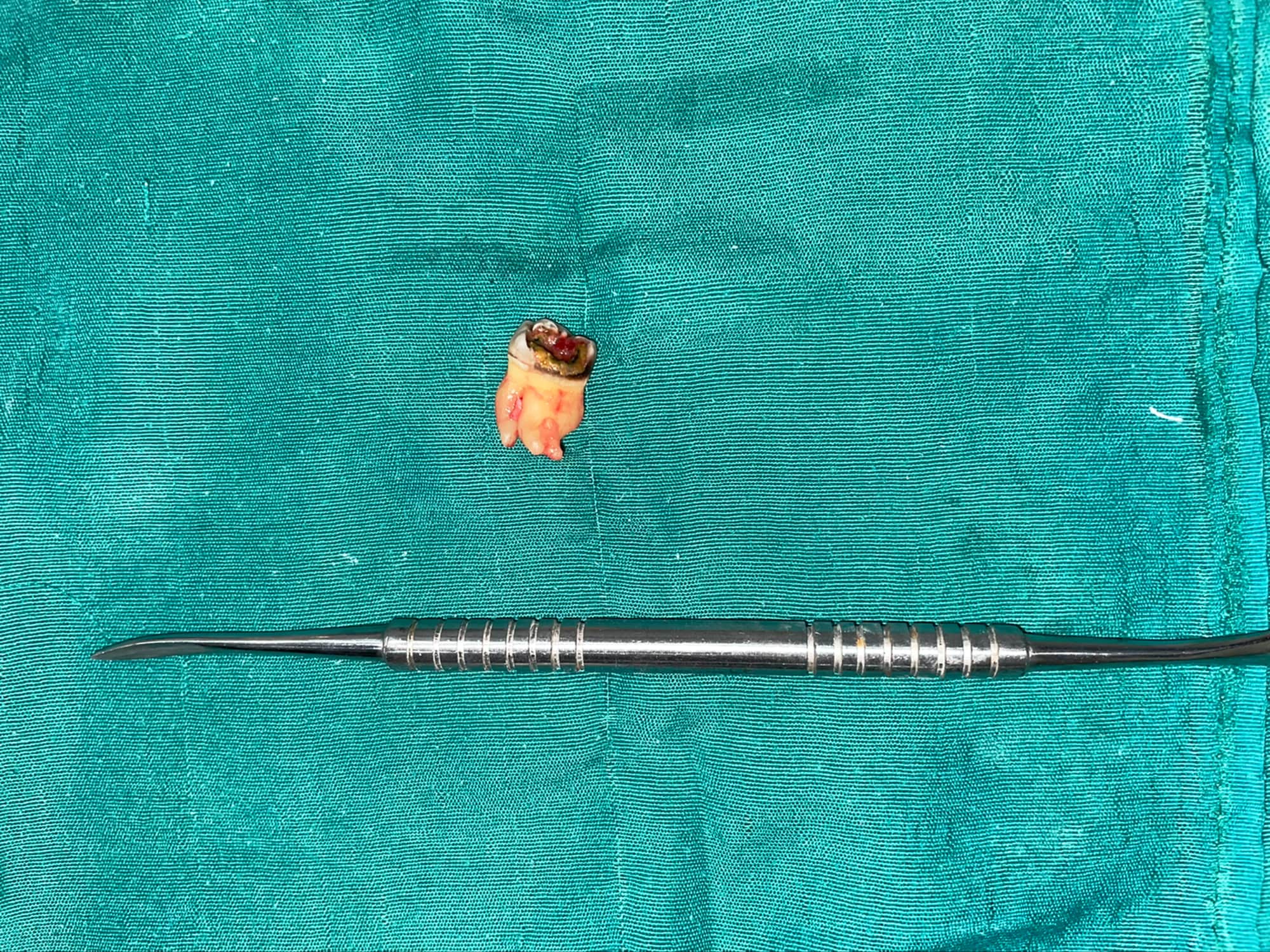
Wisdom teeth (third molars) are the last teeth to develop, usually appearing between ages 17 and 25. While some people have wisdom teeth that emerge normally and cause no issues, many experience problems due to insufficient space in the jaw. This leads to impaction — where the wisdom tooth gets stuck partially or fully beneath the gum and bone.

Signs You May Need Extraction

Watch for these warning signs that indicate your wisdom teeth may need removal:

  • Pain or throbbing at the back of your mouth
  • Swollen, red, or tender gums around the back teeth
  • Difficulty opening your mouth fully
  • Bad breath or an unpleasant taste despite good hygiene
  • Jaw stiffness or pain that radiates to the ear
  • Crowding or shifting of adjacent teeth

Types of Impaction

Wisdom teeth can be impacted in several ways: soft tissue impaction (trapped under the gum), partial bony impaction (partially stuck in the jawbone), or complete bony impaction (fully enclosed within the jawbone). The type of impaction determines the complexity of the extraction and the surgical approach Dr. Singh will use.

💡 Expert Surgical Care: As an MDS-qualified oral and maxillofacial surgeon, Dr. Singh has performed thousands of wisdom tooth extractions — from simple to the most complex impactions. His surgical expertise ensures minimal trauma, faster healing, and excellent outcomes.

Recovery Tips After Extraction

Following your wisdom tooth removal, these tips will help ensure smooth recovery:

  • Apply ice packs to reduce swelling (20 minutes on, 20 minutes off)
  • Eat soft foods for the first 2-3 days (yogurt, soups, smoothies)
  • Avoid using straws — the suction can dislodge the blood clot
  • Take prescribed medications as directed
  • Maintain gentle oral hygiene, avoiding the extraction site
  • Rest and avoid strenuous activity for at least 48 hours

Wisdom tooth causing trouble? Book an appointment for an expert evaluation with Dr. Singh.

Ready for Your Best Smile?

Book a consultation with Dr. Singh today.
Book Appointment